Choosing the right cCA involves some considerations
In Singapore’s school system, Co-Curricular Activities (CCA) are more than just optional activities—they play a key role in shaping a student’s discipline, confidence, and overall development.
When choosing a CCA, many parents and students ask:
Should I choose a sports CCA or a club-based CCA?
The answer depends less on which is “better” and more on which is more suitable for the child’s personality, schedule, and learning style.
Understanding the Two Types of CCA
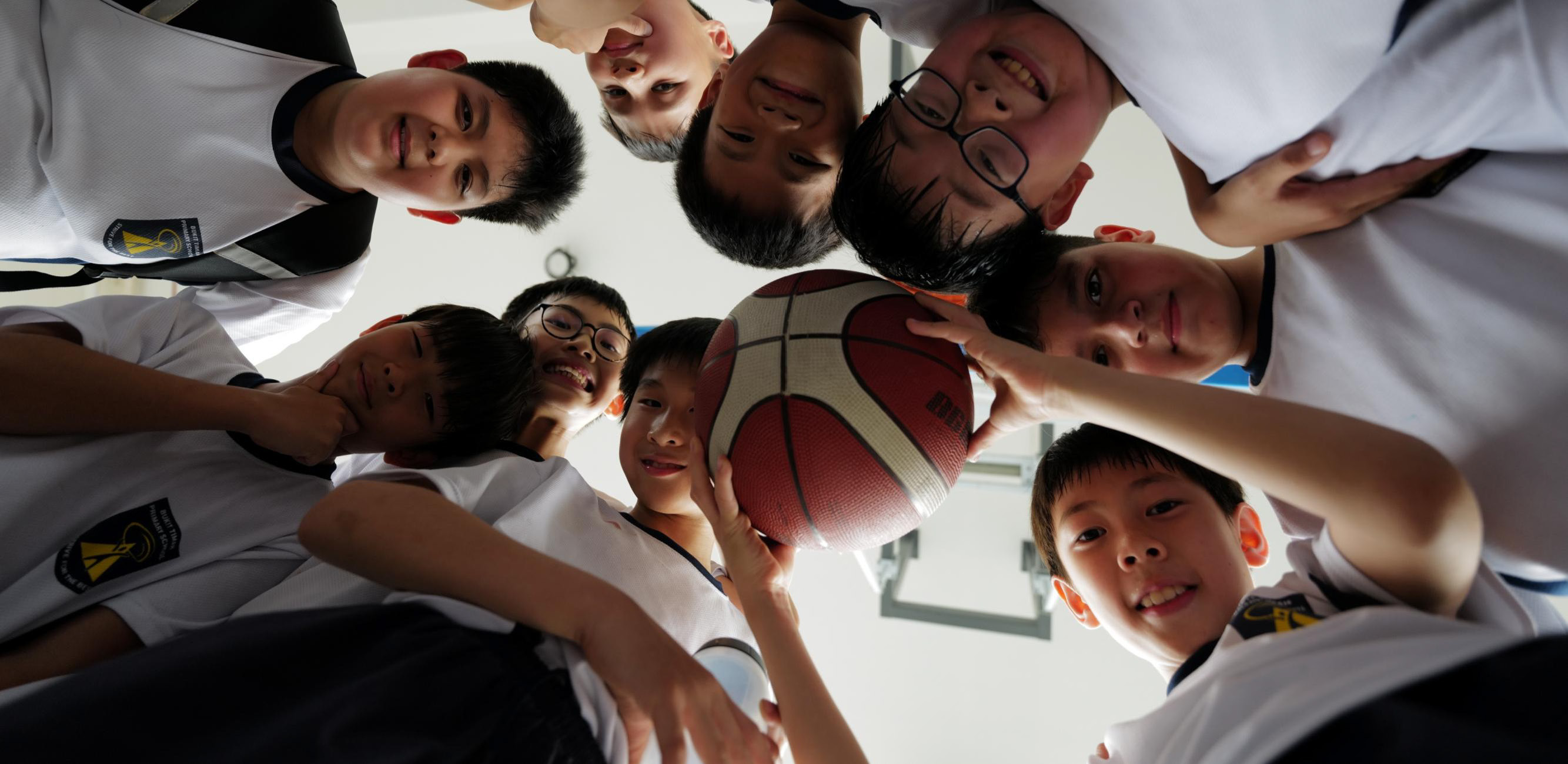
In Singapore schools, sports CCAs include activities such as basketball, badminton, football, volleyball, swimming, and track and field. These usually involve regular training sessions, physical conditioning, and inter-school competitions.
Club-based CCAs, on the other hand, include robotics clubs, debate clubs, chess clubs, science clubs, media clubs, and environmental clubs. These activities focus more on intellectual development, teamwork, and project-based learning.
Both types of CCA provide valuable experiences, but they shape students in different ways.
What Students Gain from Sports CCA

Sports CCAs are widely known for building discipline, resilience, and teamwork. For example, a student in a basketball or football team learns how to cooperate with teammates, follow strategies, and stay committed to regular training sessions. A track and field athlete develops self-discipline by training consistently and improving personal performance over time.
From a parent’s perspective, sports can be very beneficial for children who have a lot of energy. For instance, some parents notice that their child becomes more focused after joining a sports CCA because they are able to release energy through physical activity.
However, sports can also be physically demanding. A parent may observe that their child comes home exhausted after training, especially during competition periods. This can sometimes lead to incomplete homework or reduced focus if the child does not have strong study routines in place.
What Students Gain from Club-Based CCA

Club-based CCAs focus more on intellectual skills, creativity, and communication. For example, a student in a debate club learns how to express ideas clearly, argue logically, and speak confidently. A robotics club participant develops problem-solving skills while building and programming projects. Even a chess club helps students think strategically and plan ahead.
Many parents find that club-based CCAs are suitable for children who prefer quieter and more structured environments. For instance, a child who enjoys building things or solving puzzles may thrive in robotics or science clubs.
From a parent’s point of view, club-based CCAs are generally less physically tiring, which can make it easier for children to maintain energy for homework and revision. However, they still require commitment, especially when preparing for competitions or completing projects.
Impact on Academic Performance

One of the biggest concerns parents have is whether CCA will affect their child’s academic results.
In reality, both sports and clubs can impact studies positively or negatively depending on how time is managed. For example, a parent may notice that their child in a sports CCA struggles to concentrate on homework after long training sessions. On the other hand, a child in a club-based CCA may have more energy but still procrastinate due to poor time management.
There are also cases where students perform better academically after joining a CCA. Some parents report that their children become more disciplined and organised, which helps them manage both schoolwork and activities more effectively.
Ultimately, the type of CCA matters less than whether the student has consistent study habits.
Real-Life Parent Scenarios

From a parent’s perspective, the impact of CCA can vary widely.
One common scenario is a Secondary school student in a sports CCA who trains three to four times a week. The parent may notice that the child is often too tired to revise, leading to a drop in grades. In such cases, parents may need to help the child adjust their schedule or reduce commitments temporarily.
Another scenario involves a child in a robotics or debate club who spends a lot of time on projects. While the child may enjoy the activity, parents may find that schoolwork is being pushed aside, especially during competition periods.
There are also positive examples. Some parents observe that their children become more disciplined after joining a structured CCA. For instance, a student who learns to manage training and homework effectively may develop strong time management skills that benefit them in the long run.
These real-life situations highlight that the outcome depends largely on how well the child balances their responsibilities.
Which Is Better for Your Child?
There is no single answer to whether sports or clubs are better.
A highly active child who enjoys movement and teamwork may benefit more from sports like basketball, badminton, or track and field. On the other hand, a child who prefers structured thinking and quieter activities may feel more comfortable in clubs such as robotics, debate, or chess.
Some students may even benefit from trying different activities before deciding what suits them best. What matters most is choosing something that the child can enjoy and sustain over time.
The Role of Study Habits
Regardless of whether a student chooses sports or clubs, one factor remains critical: study habits.
Students who manage both academics and CCA well usually have consistent routines. For example, they may set aside time each day to revise, even if their schedule is busy. They also plan ahead during peak periods such as competitions or exams.
Many parents find that when children develop better routines and focus, they are able to handle both CCA and academics more effectively. Resources that focus on building discipline, improving focus, and creating simple daily systems, such as those shared on platforms like riseandshine.com.sg can be helpful in guiding students toward better habits.
Final Thoughts
So, which is better—sports or clubs?
Both offer valuable benefits. Sports build discipline, resilience, and teamwork, while clubs develop critical thinking, communication, and creativity.
From a parent’s perspective, the most important factor is balance. A CCA should support your child’s growth—not overwhelm them.
With the right choice, proper time management, and consistent study habits, students can benefit from both CCA and academics without sacrificing either.


